

The historical evolution of gambling From ancient rituals to modern practices
The Origins of Gambling
The history of gambling dates back thousands of years, tracing its roots to ancient civilizations where games of chance were often intertwined with religious practices. Archaeological evidence suggests that the earliest forms of gambling were found in ancient China around 2300 BC, where simple dice games and betting rituals were prevalent. These early games often revolved around divination, with outcomes believed to be influenced by the will of deities, thus elevating gambling from mere entertainment to a spiritual act. Today, one can visit sites like https://casino123.com to explore modern adaptations of these ancient practices.

In addition to China, ancient Egyptians also engaged in gambling, using knuckle bones as dice and betting on various games. Their practices reveal a cultural acceptance of chance and luck, reflected in their art and literature. The Greeks and Romans further popularized gambling, with a wide variety of games played in public spaces, and their gambling practices often served as social activities that brought people together for both competition and camaraderie.
As these ancient societies developed, so too did the complexity and organization of gambling. The introduction of betting systems and regulations marked a significant evolution, transforming gambling into a more structured activity. This framework laid the groundwork for the sophisticated gambling environments that would emerge in the centuries to follow, paving the way for the modern casinos and betting institutions we know today.
The Middle Ages and Gambling Regulation
The Middle Ages saw a shift in the perception of gambling, influenced by religious doctrine and societal norms. While gambling remained popular among the nobility, it faced significant scrutiny from the church, which viewed it as morally dubious. Various European monarchs attempted to regulate gambling practices, imposing bans and limitations to curb excess and moral decay. This era illustrated the ongoing tension between gambling as a leisure activity and the moral concerns surrounding it.
Despite these restrictions, gambling flourished in clandestine environments, including fairs and markets where games of chance were played. The invention of playing cards in the late 14th century revolutionized gambling, creating new opportunities for players and establishments alike. Card games quickly became a staple in taverns and private homes, showcasing the adaptability of gambling practices to the prevailing cultural climate.
The establishment of official gambling houses began in this period, with the first known lottery emerging in the 15th century. Governments recognized the potential of lotteries as a means of raising revenue for public projects. This marked a transition towards more regulated forms of gambling, a precursor to the structured casino environments that would emerge in the following centuries.
The Rise of Modern Casinos
The 17th and 18th centuries marked a significant turning point in the evolution of gambling, particularly with the establishment of the first modern casinos. The Casino di Venezia, opened in 1638, is often regarded as the first official casino, offering a variety of games in a formalized setting. This development reflected a shift towards social and recreational gambling, where the ambiance and luxury of the venue became integral to the experience.
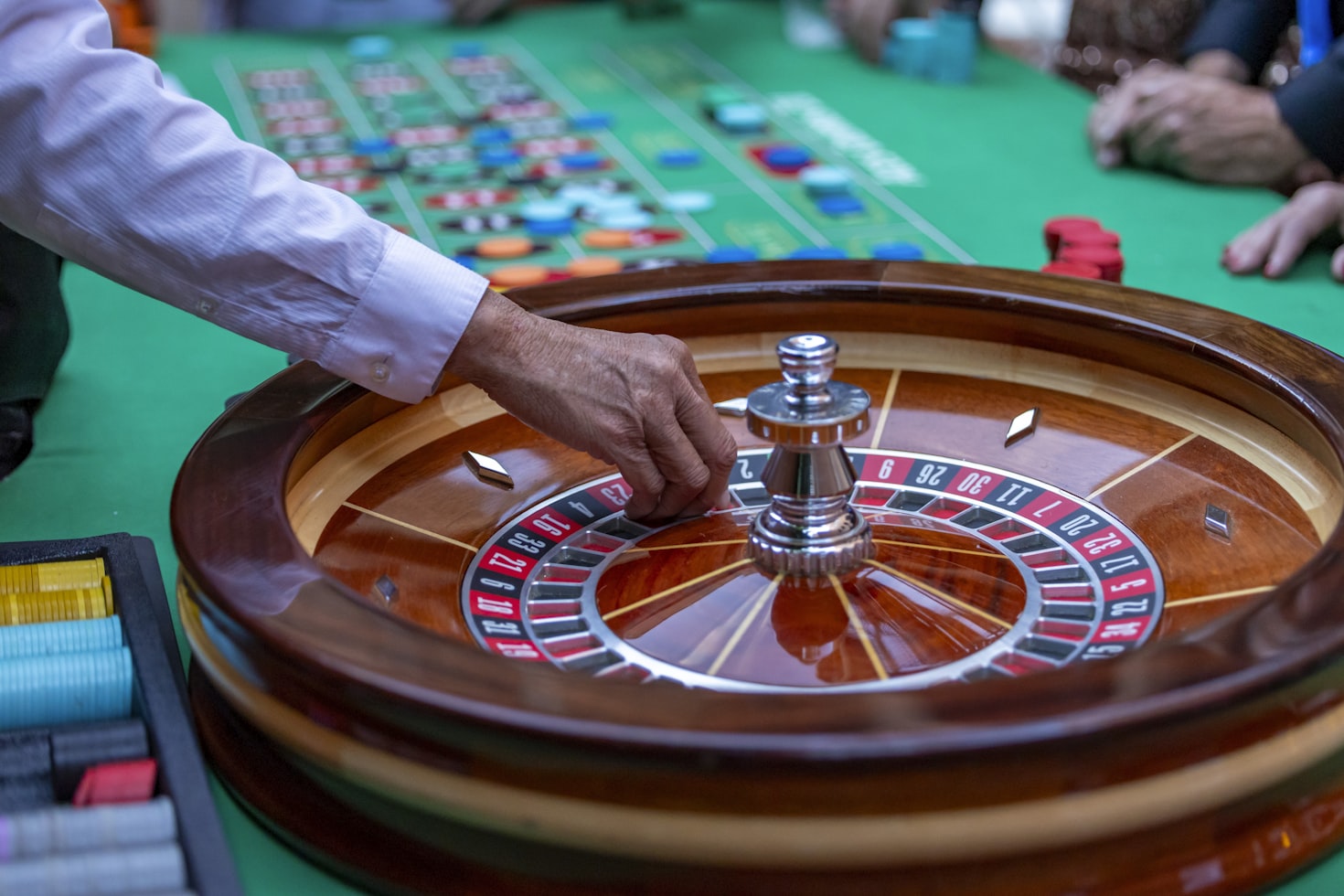
During this time, gambling became increasingly popular among the aristocracy, which contributed to the lavish designs of casino interiors. The games played also evolved, with the introduction of roulette and baccarat, appealing to a growing number of players seeking excitement and social engagement. The rise of modern casinos was fueled by the desire for structured entertainment, blending gambling with social interaction.
As the 19th century progressed, the gaming industry expanded globally, with casinos establishing themselves in notable locations such as Monte Carlo and Las Vegas. These destinations became synonymous with high-stakes gambling, attracting individuals seeking opulence and the thrill of chance. The notion of high-roller experiences began to emerge, as affluent players sought exclusive gaming tables and luxurious amenities, shaping the modern identity of casinos.
Gambling in the Digital Age
The advent of the internet in the late 20th century revolutionized gambling yet again, introducing online casinos that transformed how individuals engaged with games of chance. Online platforms allowed users to access a wide array of games from the comfort of their homes, breaking geographical barriers that had previously restricted participation. This democratization of gambling resulted in a surge of new players, as more individuals discovered the excitement and convenience of online betting.
With technological advancements, virtual reality and live dealer games have elevated the online gambling experience, simulating the ambiance of brick-and-mortar casinos. These innovations enhance user engagement, allowing players to interact with real dealers and other players in real-time, thereby bridging the gap between traditional and modern practices. The integration of payment systems also made online gambling more accessible, accommodating a diverse range of players.
However, this digital transition has raised concerns regarding regulation and responsible gambling. As the industry grows, so too does the need for safeguards to protect vulnerable individuals. Regulatory bodies have begun implementing measures to ensure fair play and responsible gaming practices, aiming to balance the excitement of gambling with the importance of player safety in this rapidly evolving landscape.
Casino123.com: The Future of Gambling
In this ever-evolving world of gambling, platforms like Casino123.com exemplify the modern gaming experience. Offering a comprehensive range of casino games from slots to table games, it provides a secure and engaging environment for both seasoned players and newcomers. The website’s commitment to user experience is evident, as it continually seeks to enhance its offerings and support its users through informative resources.
Although Casino123.com is currently experiencing technical difficulties, its dedication to high-quality entertainment remains unwavering. The platform illustrates how the gaming industry can adapt to modern challenges while maintaining a focus on player enjoyment and satisfaction. With the rise of online gaming, platforms like Casino123.com are pivotal in shaping the future landscape of gambling.
As we reflect on the historical evolution of gambling, from its ancient rituals to today’s online practices, it is evident that the industry will continue to thrive and transform. The journey of gambling encapsulates cultural shifts, technological advancements, and the ongoing human fascination with chance and luck, ensuring its place in society for generations to come.